
Presidency says Tinubu US court case is civil FOIA dispute, not criminal

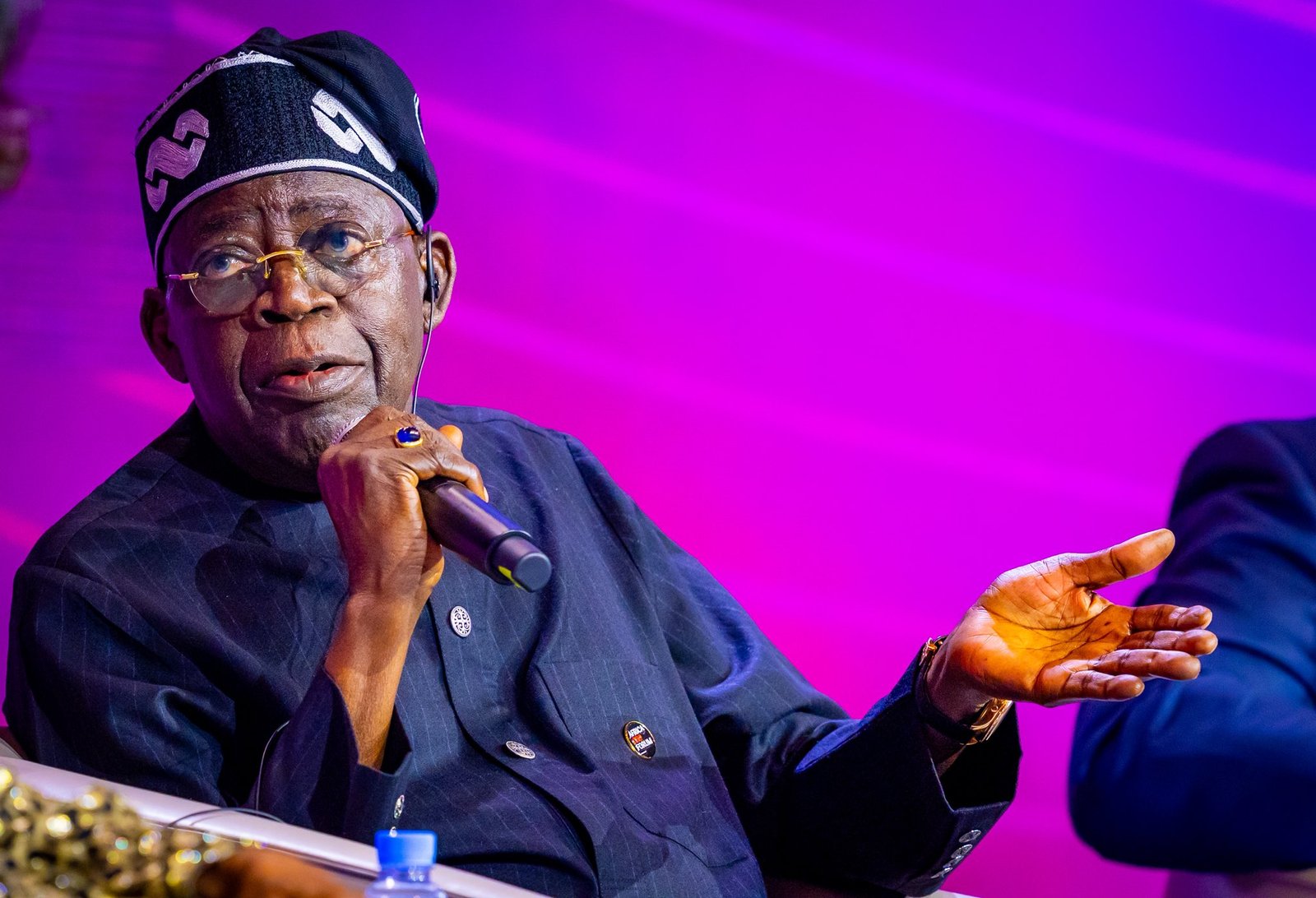
- Bayo Onanuga says no US court has found the Nigerian president guilty of criminal wrongdoing
The Presidency has described the ongoing legal battle in the United States over records relating to President Bola Ahmed Tinubu as a civil Freedom of Information Act (FOIA) dispute, rejecting claims that the president is facing a criminal case.
Presidential spokesperson Bayo Onanuga made the clarification in comments reported by Premium Times, saying the proceedings concern the disclosure of records held by US government agencies.
“The matter is a civil records-disclosure dispute under the United States Freedom of Information Act. It is not a criminal case against President Bola Ahmed Tinubu, nor has the court found him guilty of any criminal wrongdoing,” Onanuga said.
The Presidency accused opposition figures of mischaracterising the proceedings, which relate in part to the civil forfeiture of funds by Tinubu to the US government in 1993, when he was under investigation in connection with drug-related allegations.
Onanuga said the question of which records can be released would be determined by the court on the basis of evidence, applicable law and arguments from the parties.
He also dismissed recent comments by lobbyist Karl von Batten, saying neither Batten nor his client, former Vice President Atiku Abubakar, was a party to the case.
Onanuga further cited a 4 February 2003 letter from the American Consulate in Lagos to then Inspector-General of Police Tafa Balogun, which he said stated that an FBI records check found no criminal arrest records, wants or warrants for Tinubu, who was then governor of Lagos State.
What the US case is about
According to Premium Times, American transparency activist Aaron Greenspan and Nigerian journalist David Hundeyin submitted a series of FOIA requests between 2022 and 2023 seeking records relating to Tinubu and Abiodun Agbele.
The requests concerned records from a joint investigation involving the FBI, Drug Enforcement Administration (DEA), Internal Revenue Service and US attorneys’ offices in Illinois and Indiana.
Greenspan said the records related to charging decisions involving the activities of a Chicago heroin network that operated in the early 1990s.
The individuals named in his requests included Tinubu, Lee Andrew Edwards, Mueez Akande and Agbele.
The US agencies initially issued what is known as a “Glomar response”, under which an agency can refuse to confirm or deny whether records exist when doing so could reveal protected information.
Greenspan challenged the decisions before the US Department of Justice’s Office of Information Policy, but the decision was upheld.
He subsequently filed a lawsuit on 12 June 2023 against the FBI, DEA, IRS, Executive Office for US Attorneys and Department of State. The CIA was later added as a defendant.
The court also allowed Tinubu to participate in the proceedings as an intervenor.
FBI submits records under seal
The FBI recently submitted records concerning the 1993 investigation to a federal judge in Washington, D.C., but the documents remain sealed.
According to court filings cited by Premium Times, the records were submitted to Judge Beryl Howell of the United States District Court for the District of Columbia on 28 August in compliance with a 20 August order.
The documents were submitted “under seal, ex parte, in camera”, meaning they were provided to the judge for private review and were not made available to Greenspan or the public.
The FBI and DEA have produced 399 pages of records, although portions have been redacted under exemptions contained in US law. Greenspan is challenging the redactions and seeking wider disclosure.
He has until 11 September to file an opposition and reply to processes submitted by the defendants and Tinubu. The FBI, DEA and Tinubu have until 18 September to respond.
The court’s eventual decision will determine whether further records sought by Greenspan can be released or remain protected under the exemptions invoked by the US agencies and Tinubu.
Tinubu challenges disclosure
When Tinubu intervened in the proceedings, his lawyers argued that the requested records could contain confidential tax information and law-enforcement material protected by US privacy laws.
They also argued that releasing investigative files could infringe his privacy rights, even where information concerning the 1993 forfeiture proceedings had previously entered the public domain.
“Regardless of the prior disclosure in the forfeiture proceeding, Intervenor retains a privacy interest in potential disclosure of the investigative files sought by Plaintiff,” his lawyers argued.
The dispute partly concerns the forfeiture of $460,000 by Tinubu to the US government in 1993. According to documents cited in the case, US authorities linked the funds to proceeds of narcotics trafficking.
The FBI and DEA have defended their redactions, citing legal protections covering grand jury proceedings, attorney-client communications, law-enforcement material, personal privacy, confidential sources and investigative techniques.
Tinubu has also invoked a FOIA exemption relating to personal privacy.
The records submitted to Judge Howell therefore remain subject to the court’s determination over whether the agencies were legally entitled to withhold or redact the material.